Whether preservation can postpone joint replacement depends on the cause of your knee problem, the amount and location of joint damage, and how well the knee responds to treatment. You will learn which options fit sports injuries, early arthritis, alignment problems, and inflammatory disease, along with what “delay” can realistically mean.
Key takeaways
- Preservation combines exercise, weight management, medicines, injections, braces, or targeted surgery.
- Treatment works best when pain comes from a treatable problem rather than advanced joint-wide damage.
- Review progress using pain, walking ability, strength, and daily activities—not scans alone.
- Delaying replacement means managing symptoms and function; it does not guarantee avoiding surgery.
What does knee preservation treatment include, and which problems can it address?
Knee preservation treatment is a plan, not a single procedure. It may combine activity modification, physiotherapy for knee pain, weight management, medicines, injections, unloading braces, and surgery. Weight management and knee osteoarthritis treatment options can reduce pain and improve function, while surgery addresses a specific structural problem.
| Problem | Common preservation approaches | Main target |
|---|---|---|
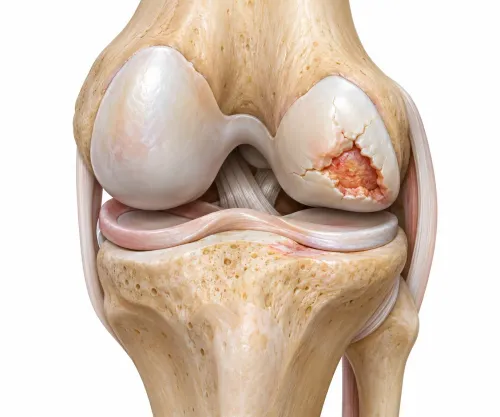
| Isolated cartilage defect | Cartilage restoration, activity modification, physiotherapy | A focal defect and joint function |
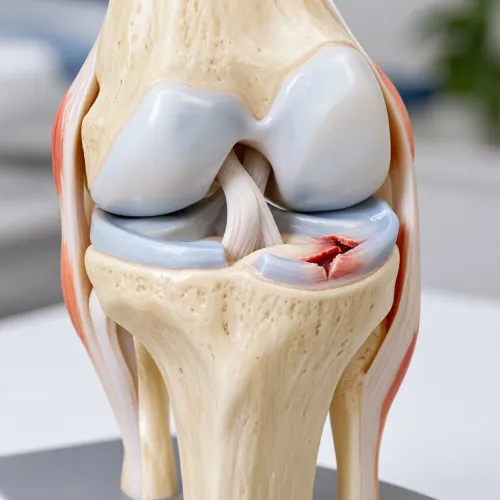
| Meniscus tear | Meniscal repair or other meniscus-preserving treatment, physiotherapy | Pain, catching, and shock absorption |
| Ligament instability | Ligament reconstruction, rehabilitation | Knee stability |
| Early osteoarthritis | Exercise, weight management, medicines, braces, injections | Pain, movement, and daily function |
| Malalignment | Unloading brace or osteotomy | Load distribution between compartments |
| Inflammatory joint disease | Medicines, injections, physiotherapy, rheumatology care | Inflammation, pain, and mobility |
The right combination depends on whether symptoms come from a sports injury, early degeneration, or several damaged parts of the knee. An osteotomy can shift pressure away from one worn compartment, while a cartilage procedure suits a selected, contained defect rather than widespread cartilage loss.
These treatments target pain, function, load distribution, or a focal defect. They do not reliably reverse diffuse osteoarthritis, advanced inflammatory arthritis, or bone-on-bone disease across multiple compartments. No preservation procedure consistently regrows cartilage that has been lost throughout the joint.
How do clinicians decide whether preservation is realistic for your knee?
Knee preservation candidacy depends on the pattern of damage, not the word “arthritis” on a report. The same treatment can help someone with a focal defect and fail someone with widespread joint disease, even when both report knee pain.
Clinicians assess:
- Pain location and triggers: pain limited to one compartment, walking pain, stair difficulty, swelling, and reduced activity tolerance point to a different problem than constant pain throughout the knee.
- Examination findings: range of motion, tenderness, knee stability, muscle strength, and whether symptoms improve when a specific compartment is unloaded.
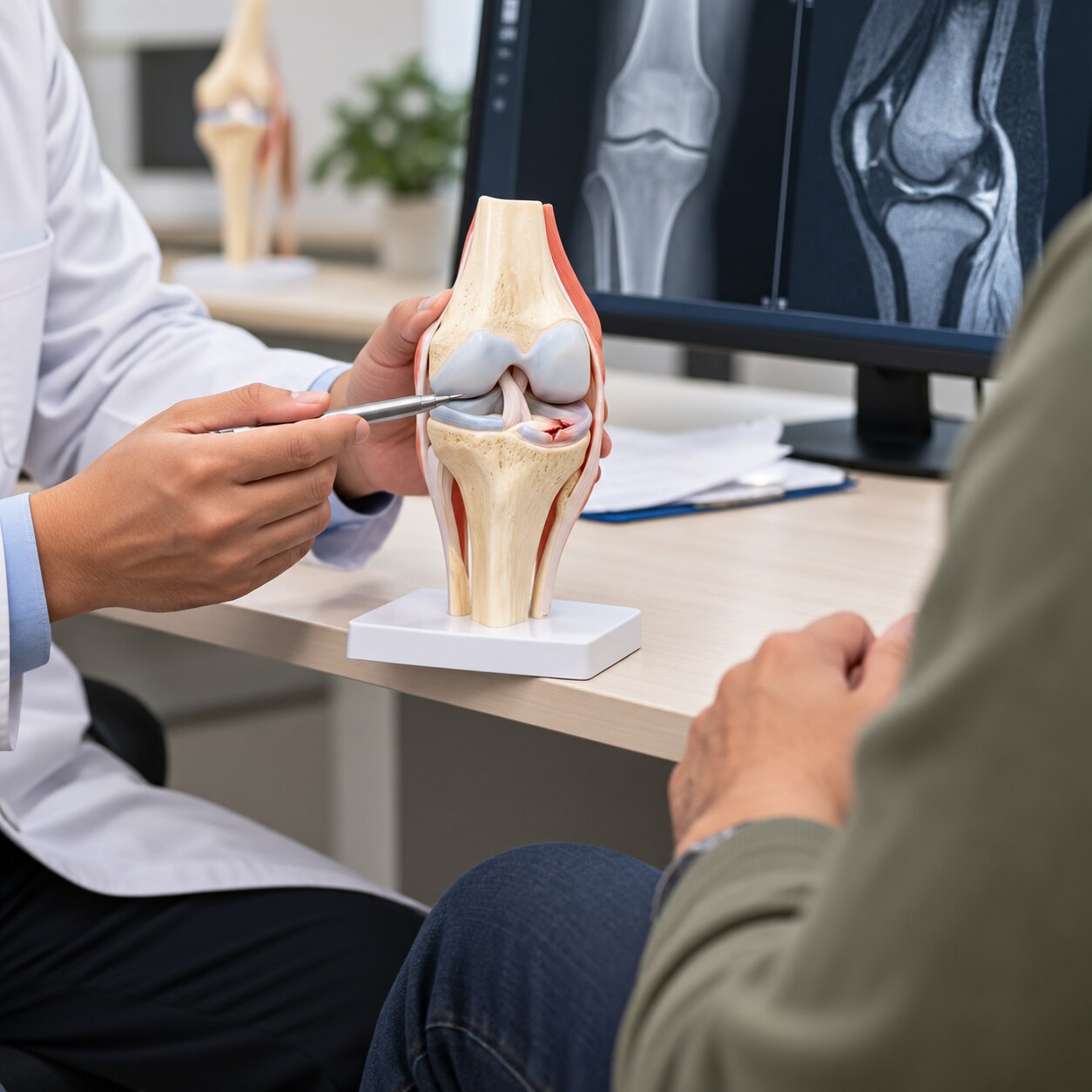
- Alignment and loading: a knee alignment assessment identifies bow-legged or knock-kneed loading. A weight-bearing knee X-ray shows arthritis grade, joint-space loss, bone changes, and which compartments bear damage during standing.
- MRI detail: a knee MRI shows cartilage thickness, meniscus condition, ligament stability, bone bruising, and whether damage is focal or widespread. Symptoms must match the images; an impressive scan with tolerable symptoms does not require replacement.
- Personal factors: younger age, lower body weight, a realistic activity goal, and no smoking support healing. Diabetes, inflammatory arthritis, previous knee surgery, obesity, or a demand for high-impact sport can reduce suitability or make recovery less predictable.
Severe-looking X-rays alone are not an indication for replacement. Persistent disabling pain, restricted walking, repeated swelling, or instability despite appropriate treatment matters more than the image in isolation. A preservation plan is strongest when one correctable problem explains the symptoms.
How long should non-surgical treatment be tried before considering an operation?
Do not use a fixed six-week or six-month deadline. Continue non-surgical care while it is producing measurable gains, then reconsider the plan when symptoms remain disabling despite a properly delivered programme.
- Build a structured programme of strengthening, aerobic exercise, and neuromuscular training. Exercise therapy for knee osteoarthritis is treatment, not merely preparation for surgery.
- If you are overweight, target roughly 10% body-weight reduction alongside exercise. Evidence on 10% weight loss knee pain shows greater improvement in pain and function than exercise alone, although weight loss does not regrow lost cartilage.
- Review medicines, activity changes, and an unloading brace according to your symptoms and diagnosis. These options should make walking, stair use, or exercise more manageable.
- Judge progress by less pain while walking, easier stairs, reduced swelling, better range of motion, and longer activity tolerance—not by the calendar or an X-ray alone.
- Treat injections as symptom tools, not automatic preservation. A corticosteroid knee injection can provide short-term relief; repeated routine injections are not established disease-modifying treatment and may increase cartilage loss. Platelet-rich plasma knee injection evidence remains inconsistent because preparations, doses, and study results vary; no biologic injection has reliably proved that it prevents progression or defers replacement.
If meaningful improvement has plateaued after a well-adhered plan, or pain and loss of function continue to restrict work, sleep, or daily activities, reassess the diagnosis and discuss surgery.
Which procedures can postpone replacement, and when are they the wrong choice?
A procedure can postpone replacement only when it treats the actual source of damage. Cartilage restoration knee procedures suit a contained focal defect with otherwise usable cartilage, stable alignment, and limited arthritis—not widespread bone-on-bone loss, multiple-compartment disease, or inflammatory arthritis.
| Option | Best-fit diagnosis | Main limit |
|---|---|---|
| Cartilage restoration | Contained focal cartilage defect | It cannot reliably rebuild cartilage lost across an arthritic joint |
| Meniscus repair versus partial meniscectomy | Repairable traumatic tear versus an unstable degenerative fragment | Repair needs viable tissue; trimming a degenerative meniscus does not reverse arthritis |
| Ligament reconstruction | Ligament reconstruction knee instability causing giving-way | It stabilises the knee but does not treat arthritis-driven pain |
| High tibial osteotomy | Active patient with varus alignment and mainly one-compartment disease | High tibial osteotomy alignment correction shifts load; it does not replace missing cartilage |
| Arthroscopic washout or debridement | Limited role in primary degenerative arthritis | It has no reliable durable effect on symptoms or replacement timing |
High tibial osteotomy works by moving weight away from the diseased compartment through an alignment change. Advanced arthritis, fixed deformity, or disease in several compartments makes its result less predictable. It also does not remove the possibility of later replacement.
A unicompartmental knee replacement preserves more bone than a total replacement, but it remains joint replacement, not preservation. It requires disease confined to one compartment and functioning ligaments; arthritis in another compartment or later revision can still end the benefit.
What does delaying joint replacement actually mean for your long-term outlook?
Preservation can give selected patients additional years of acceptable pain and function, but it cannot guarantee that you will never need replacement. The practical question is when knee replacement becomes necessary: after symptoms remain disabling despite appropriate treatment, not simply because an X-ray looks severe.
The trade-off may include months of rehabilitation, temporary activity restrictions, complications, later conversion surgery, and a less predictable result than primary replacement. A procedure that preserves your native knee still has a failure pathway.
High tibial osteotomy survivorship illustrates this uncertainty. It shifts load away from a diseased compartment; it does not replace missing cartilage. Reported 10-year survivorship ranges from roughly 50% to above 90% because outcomes depend on:
- Age and activity demands
- Correctability of the limb alignment
- Which compartments are affected
- Arthritis severity and cartilage loss
- Ligament and meniscus condition
- Surgical technique and how failure is defined
Results become less predictable when arthritis is advanced or affects several compartments. A partial knee replacement may preserve bone and healthy compartments, but it remains a replacement, with risks such as arthritis progression elsewhere and revision.
An assessment by Dr Ronak Kothari can connect your symptoms, examination, weight-bearing X-rays, MRI, goals, and previous treatment to a realistic choice. That evaluation supports informed planning, not a promise of avoiding replacement.
Related service
Knee Preservation Procedures Dr. Ronak Kothari, an experienced Orthopaedic Surgeon, specializes in Knee Preservation Procedures aimed at maintaining the natural knee joint for as... View service → |
Frequently asked questions
What does knee preservation treatment include?
It can include activity modification, physiotherapy, weight management, medicines, injections, unloading braces, and surgery for a specific structural problem.
How do clinicians decide whether preservation is realistic?
They assess your symptoms, examination findings, activity limits, alignment, joint damage on imaging, and whether a treatable structural problem is driving the pain.
How long should non-surgical treatment be tried before an operation?
The duration depends on the diagnosis and response. Track pain, walking ability, strength, and daily function, then review the plan with your clinician rather than relying on a fixed timeline.
Can procedures postpone knee replacement?
Procedures such as alignment correction or treatment of a focal cartilage or meniscal problem can help selected patients. They are the wrong choice when damage is widespread or symptoms do not match a treatable structural cause.